Daily Habits for Strong Bones through Intermittent Fasting
By Nutriwow Team · 4 June 2026
Daily Habits for Strong Bones through Intermittent Fasting
In the vibrant tapestry of Indian life, where traditions meet modern aspirations, maintaining good health is a universal goal. Among the many pillars of wellness, bone health often gets overlooked until issues arise. Yet, strong bones are fundamental for an active, fulfilling life, supporting everything from daily chores to celebratory dances. While diet and exercise are widely recognized for their role in bone density, an emerging area of interest is how lifestyle practices like intermittent fasting, combined with specific daily habits, can contribute to building and maintaining strong bones naturally.
Intermittent fasting (IF) is not a diet in the traditional sense, but rather an eating pattern that cycles between periods of eating and voluntary fasting. Popular methods include the 16/8 method (fasting for 16 hours, eating within an 8-hour window) or the 5:2 method (eating normally for five days, restricting calories for two). While often associated with weight management, its potential benefits extend to cellular repair, hormone regulation, and inflammation reduction – all factors that indirectly influence bone health. Let's delve into how integrating IF with targeted daily habits can pave the way for strong bones naturally.
Understanding the Bone-Building Process and Intermittent Fasting's Role
Our bones are living tissues, constantly undergoing a process called remodeling, where old bone is broken down (resorption) and new bone is formed (formation). This delicate balance is crucial for maintaining bone density and strength. Several factors influence this process, including hormones, nutrient intake, and physical activity. Intermittent fasting, through its impact on metabolic pathways, can subtly influence this balance.
- Hormonal Regulation: IF can improve insulin sensitivity, which is beneficial because high insulin levels can negatively impact bone turnover. It also influences growth hormone secretion, a hormone vital for bone growth and repair.
- Autophagy and Cellular Health: During fasting periods, the body initiates autophagy, a cellular "housekeeping" process where damaged cells and components are recycled. This can extend to bone cells, promoting healthier bone tissue.
- Reduced Inflammation: Chronic inflammation can contribute to bone loss. IF has been shown to reduce markers of inflammation, thereby creating a more favorable environment for bone health.
It's important to note that while IF offers potential benefits, it's not a magic bullet. Its efficacy for bone health is maximized when combined with a nutrient-dense diet and other bone-supporting habits. For individuals in India, where dietary patterns can vary widely, understanding how to integrate IF thoughtfully is key.
Daily Habits for Strong Bones Naturally While Intermittent Fasting
To truly leverage the benefits of intermittent fasting for bone health, it must be part of a holistic approach. Here are specific daily habits to adopt:
1. Prioritize Calcium-Rich Foods During Your Eating Window
Calcium is the primary mineral component of bone. During your eating window, ensure you're consuming adequate amounts. For the Indian palate, this means:
- Dairy Products: Milk, paneer, curd (dahi), and buttermilk are excellent sources.
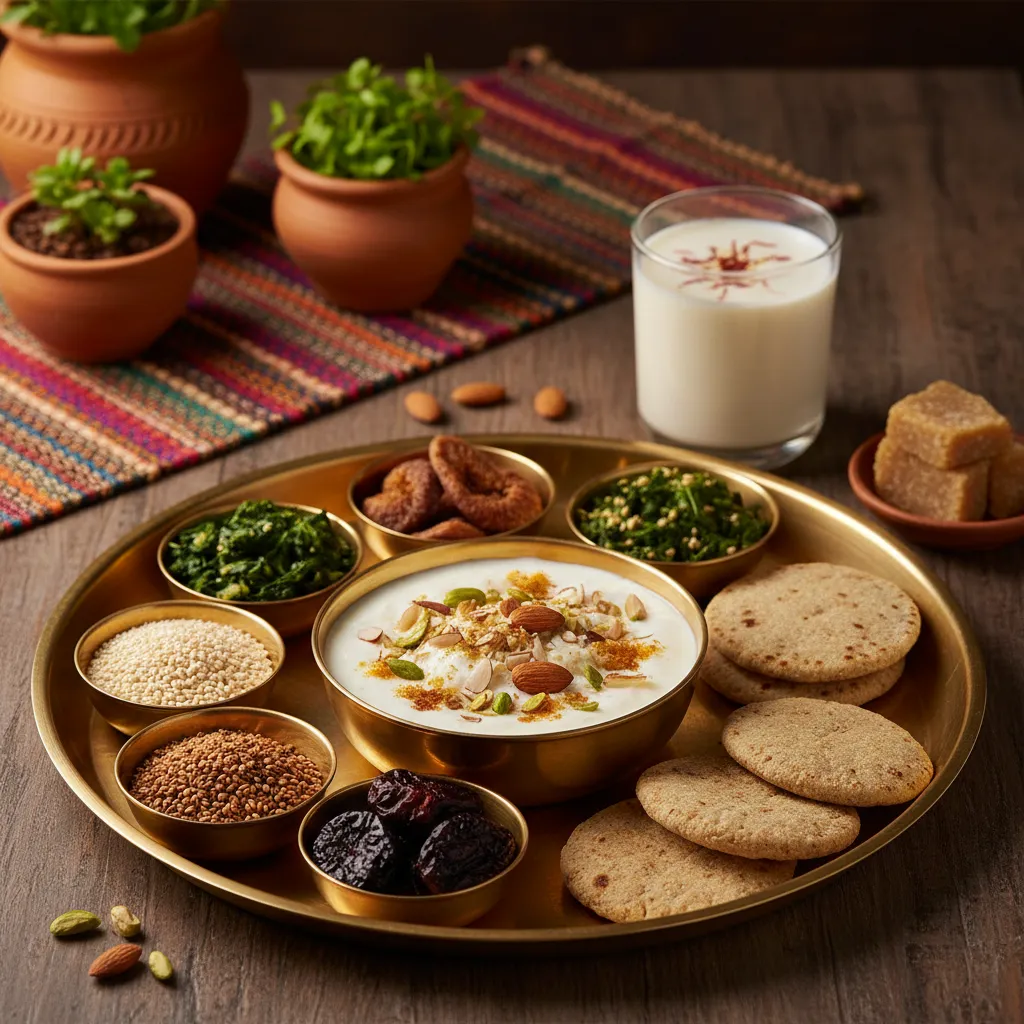
- Plant-Based Sources: Ragi (finger millet), sesame seeds (til), amaranth (rajgira), leafy greens like spinach (palak) and fenugreek (methi), and fortified plant milks.
- Pulses and Legumes: Certain dals also contribute to calcium intake.
Aim for consistent intake across your meals to support strong bones naturally.
2. Ensure Sufficient Vitamin D Intake
Vitamin D is crucial for calcium absorption and bone mineralization. Without enough Vitamin D, calcium, no matter how abundant, cannot be effectively utilized by the body. In India, despite ample sunshine, Vitamin D deficiency is surprisingly common.
- Sun Exposure: Aim for 15-20 minutes of midday sun exposure (between 10 AM and 3 PM) on exposed skin, without sunscreen, a few times a week. However, be mindful of skin type and heat.
- Dietary Sources: Fatty fish (if consumed), fortified milk and cereals, and some mushrooms.
- Supplementation: Consult a doctor about Vitamin D supplementation, especially if you have limited sun exposure or a diagnosed deficiency.
3. Incorporate Vitamin K2-Rich Foods
Often overshadowed by calcium and Vitamin D, Vitamin K2 plays a vital role in directing calcium to the bones and away from arteries, preventing calcification.
- Fermented Foods: While traditional Indian diets might not have natto (a primary source), fermented foods like homemade pickles (in moderation), certain types of paneer, and aged cheeses (if consumed) can offer some K2.
- Animal Products: Egg yolks, and certain dairy products from grass-fed animals.
Exploring traditional Indian fermented foods might uncover more K2 sources.
4. Engage in Weight-Bearing and Resistance Exercises
Bones respond to stress by becoming stronger. Regular physical activity, especially weight-bearing exercises, is paramount for building and maintaining bone density.
- Weight-Bearing: Walking, jogging, dancing (like Garba or Bhangra!), climbing stairs, and playing sports.
- Resistance Training: Lifting weights, using resistance bands, or bodyweight exercises like squats, push-ups, and planks. This stimulates bone cells to produce new bone tissue.
Aim for at least 30 minutes of moderate-intensity activity most days of the week. This is a non-negotiable habit for strong bones naturally.
5. Maintain a Balanced Protein Intake
Protein forms about 50% of bone volume and one-third of its mass. Adequate protein intake is essential for bone matrix formation.
- During Your Eating Window: Include sources like dals, legumes, paneer, eggs, chicken, fish, and nuts.
- Avoid Excess: While essential, extremely high protein diets without adequate calcium can sometimes be detrimental. Balance is key.
6. Stay Hydrated Throughout the Day (Including Fasting Periods)
Water is vital for all bodily functions, including nutrient transport to bones and waste removal. During fasting periods, staying hydrated with water, black coffee, or unsweetened tea is crucial and helps manage hunger. Avoid sugary drinks which can negatively impact bone health.
7. Manage Stress and Prioritize Sleep
Chronic stress elevates cortisol levels, which can interfere with bone formation and accelerate bone breakdown. Similarly, inadequate sleep disrupts hormonal balance, impacting bone health.
- Stress Management: Practice yoga, meditation, deep breathing exercises, or spend time in nature.
- Quality Sleep: Aim for 7-9 hours of uninterrupted sleep each night. Establish a regular sleep schedule.
These habits create an optimal internal environment for strong bones naturally.
8. Limit Bone-Depleting Substances
Certain substances can leach minerals from bones or hinder their absorption.
- Excess Caffeine and Alcohol: Moderate intake is usually fine, but excessive consumption can negatively impact bone density.
- Smoking: Smoking is a significant risk factor for osteoporosis and should be avoided entirely.
- High Sodium Intake: Can increase calcium excretion. Be mindful of processed foods and excessive salt in your diet.
Integrating Intermittent Fasting with Bone-Healthy Habits: A Practical Approach
For someone in India looking to adopt these practices, here’s how it might look:
- Choose Your IF Method: The 16/8 method is often easiest to integrate with social and family meals. For example, if you finish dinner by 8 PM, you would break your fast around 12 PM the next day.
- Meal Planning: During your 8-hour eating window (e.g., 12 PM to 8 PM), plan your meals to be rich in calcium, Vitamin D, Vitamin K2, and protein. A lunch of ragi roti with methi sabzi and curd, followed by an evening snack of nuts, and a dinner of dal, paneer curry, and a vegetable, ensures a good nutrient spread.
- Hydration is Key: Throughout your fasting period, sip on water, herbal tea, or black coffee.
- Exercise Consistency: Schedule your weight-bearing exercises in the morning or evening, as per your preference, ensuring it doesn't interfere with your fasting or eating window uncomfortably.
- Listen to Your Body: Intermittent fasting is not for everyone, especially those with certain medical conditions or pregnant/breastfeeding women. Always consult a healthcare professional before starting any new dietary regimen.
The Nutriwow Advantage for Strong Bones Naturally
While adopting these habits, smart snacking can play a supportive role, especially during your eating window. Nutriwow, with its range of premium healthy snacks, can be a valuable addition to your bone-healthy diet. Imagine a handful of Nutriwow Premium Classic Roasted & Salted Almonds … (rich in calcium and magnesium) or a snack bar fortified with essential nutrients during your eating window, providing sustained energy and contributing to your daily nutrient goals without compromising your fasting schedule. Our focus on natural ingredients and wholesome nutrition aligns perfectly with the goal of building strong bones naturally.
Conclusion
Achieving strong bones naturally is an ongoing journey that requires consistent effort and a holistic approach. By thoughtfully integrating intermittent fasting with daily habits like consuming calcium and Vitamin D-rich foods, engaging in weight-bearing exercise, ensuring adequate protein, managing stress, and avoiding bone-depleting substances, you can significantly bolster your bone health. Remember, consistency is key, and listening to your body's signals is paramount. Embrace these powerful daily habits, and pave the way for a future of vitality and strong bones.