How to Maximize the Benefits of Hormone Balance with Chia Seeds
By Nutriwow Team · 13 June 2026
How to Maximize the Benefits of Hormone Balance with Chia Seeds
In recent years, hormone balance chia seeds has become one of the most searched wellness topics across India. From managing thyroid health to easing PCOS symptoms and PMS discomfort, more and more Indians are turning to natural, food-based solutions — and chia seeds have emerged as a powerful ally. But simply sprinkling chia seeds on your food is not enough. To truly maximize the hormonal benefits of chia seeds, you need to understand how they work, when to consume them, and how to incorporate them strategically into your daily routine.
This article breaks it all down for you in a practical, science-backed way.
Why Chia Seeds Are a Hormone Health Powerhouse
Before diving into the "how," let us understand the "why." Chia seeds are packed with nutrients that directly influence the body's hormonal ecosystem. Here is what makes them so special:
- Omega-3 Fatty Acids: Chia seeds are one of the richest plant-based sources of ALA (alpha-linolenic acid), an omega-3 fatty acid. Omega-3s reduce systemic inflammation, which is a root cause of hormonal disruption in conditions like PCOS, thyroid imbalance, and adrenal fatigue.
- Lignans (Phytoestrogens): Chia seeds contain lignans, which are plant-based compounds that gently mimic estrogen in the body. This can help women manage estrogen dominance or estrogen deficiency — both of which lead to hormonal imbalance.
- Magnesium: This mineral plays a critical role in regulating cortisol (the stress hormone) and supporting insulin sensitivity. Many Indian women are deficient in magnesium, contributing to hormonal chaos.
- Fiber: The high fiber content in chia seeds supports gut health, which is deeply connected to hormone regulation. A healthy gut ensures proper estrogen metabolism and reduces circulating excess hormones.
- Zinc: Zinc supports progesterone production and reproductive health, making it essential for women dealing with irregular cycles or fertility concerns.
Understanding the Hormone-Gut Connection
One of the most underrated ways chia seeds support hormone balance is through the gut. The gut microbiome plays a central role in metabolizing and eliminating excess hormones from the body, particularly estrogen. When the gut is sluggish or imbalanced, hormones like estrogen can be reabsorbed into the bloodstream instead of being eliminated, leading to estrogen dominance.
Chia seeds contain both soluble and insoluble fiber. The soluble fiber forms a gel-like substance when it absorbs water, feeding beneficial gut bacteria and promoting regular bowel movements. This helps flush out excess hormones before they can recirculate. Consuming chia seeds daily can, over time, meaningfully improve your gut flora and, consequently, your hormonal health.
Best Ways to Consume Chia Seeds for Hormone Balance
1. Chia Seed Water (Sabja-Style Drink)
Soak one tablespoon of chia seeds in a glass of water for 20–30 minutes. Drink this first thing in the morning on an empty stomach. This activates the gut and sets a foundation for better hormone regulation throughout the day. You can add a squeeze of lemon or a pinch of rock salt for taste. Starting your morning with this hydrating drink also helps reduce cortisol spikes that naturally occur in the early hours.
2. Chia Pudding with Hormone-Supportive Ingredients
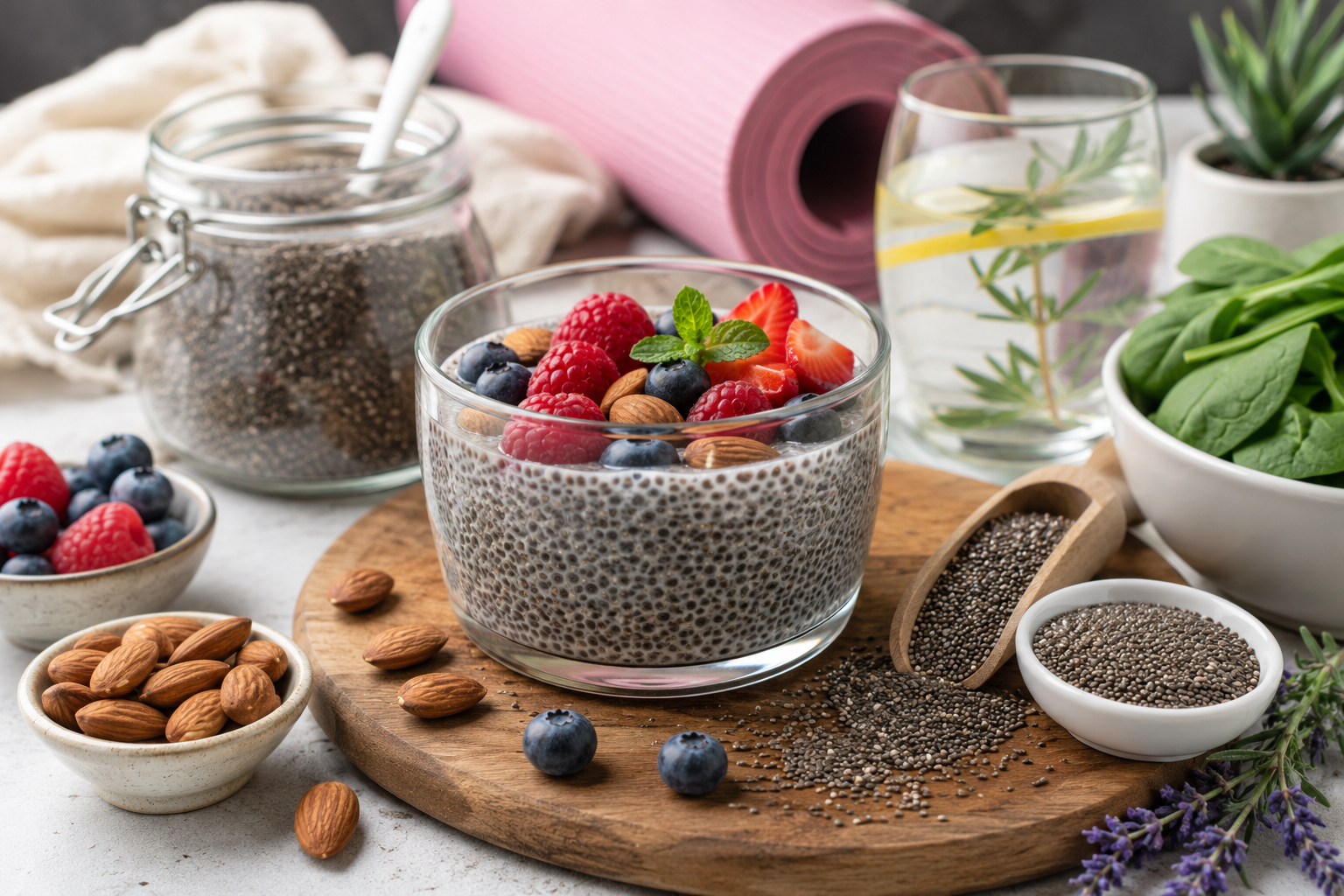
Prepare chia pudding by soaking 3 tablespoons of chia seeds in 1 cup of warm almond or coconut milk overnight. In the morning, top it with flaxseeds, pumpkin seeds, and a few slices of banana. This combination supports a practice known as seed cycling — a natural method to balance estrogen and progesterone across the menstrual cycle. Chia seeds complement this beautifully due to their lignan content.
3. Add to Smoothies and Lassi
Blend chia seeds into your morning smoothie or traditional Indian lassi. Pairing chia seeds with turmeric, ashwagandha powder, or moringa adds an additional layer of hormone-supporting benefits. Ashwagandha, for instance, is an adaptogen that lowers cortisol levels, while turmeric reduces hormonal inflammation. Together with chia seeds, these ingredients create a powerful hormone-balancing tonic tailored for the Indian palate.
4. Mix into Dal, Raita, or Roti Dough
If you prefer a more traditional approach, simply stir chia seeds into your dal, curd (raita), or knead them into roti or paratha dough. This is a simple, seamless way to get your daily dose without changing your diet dramatically. Two tablespoons per day is the recommended quantity for noticeable hormonal benefits over time.
Timing Matters: When to Eat Chia Seeds for Maximum Hormonal Impact
When it comes to hormone balance chia seeds, timing can significantly enhance the results:
- Morning: Consuming chia seeds in the morning helps regulate blood sugar levels throughout the day. Stable blood sugar is crucial for insulin balance, which directly affects PCOS and adrenal health.
- Before Meals: The gel-forming fiber in chia seeds, when consumed 15–20 minutes before a meal, slows glucose absorption, preventing insulin spikes that disrupt hormonal equilibrium.
- Evening Snack: A chia pudding or chia-infused yogurt in the evening supports overnight detoxification and helps the liver process excess hormones during sleep.
Common Mistakes That Reduce Chia Seeds' Hormonal Benefits
Many people consume chia seeds but do not see results because of avoidable mistakes. Here is what to watch out for:
- Eating dry chia seeds: Always soak chia seeds before eating. Dry chia seeds can absorb moisture from your digestive tract, potentially causing bloating and reducing nutrient absorption.
- Not drinking enough water: Chia seeds require adequate hydration to function properly. Make sure you drink at least 8–10 glasses of water daily when incorporating them into your routine.
- Inconsistency: Hormonal balance is a long-term process. You need to consume chia seeds consistently for at least 4–8 weeks to notice a difference in cycle regularity, mood, energy, or skin health.
- Overdosing: More is not always better. Stick to 2 tablespoons per day. Excess fiber can cause digestive discomfort and may even interfere with nutrient absorption.
Who Benefits Most from Chia Seeds for Hormones?
While chia seeds are beneficial for everyone, certain groups stand to gain the most:
- Women with PCOS who struggle with insulin resistance and androgen excess
- Women experiencing perimenopause or menopause who need gentle phytoestrogen support
- Individuals dealing with chronic stress and elevated cortisol
- Anyone with sluggish digestion and poor estrogen detoxification
- Women with irregular periods or PMS symptoms
Final Thoughts
Harnessing the power of hormone balance chia seeds is not complicated — but it does require intention and consistency. These tiny seeds carry an impressive nutritional profile that directly supports the delicate hormonal ecosystem in your body. From reducing inflammation and feeding a healthy gut to balancing estrogen through lignans and stabilizing blood sugar through fiber, chia seeds are truly a superfood for hormonal wellness.
Start small, stay consistent, and pair your chia seed routine with a balanced diet, adequate sleep, and stress management. Your hormones will thank you — one spoonful at a time.
Seeds