10 Reasons to Include Flax Seeds in Oatmeal
By Nutriwow Team · 13 June 2026
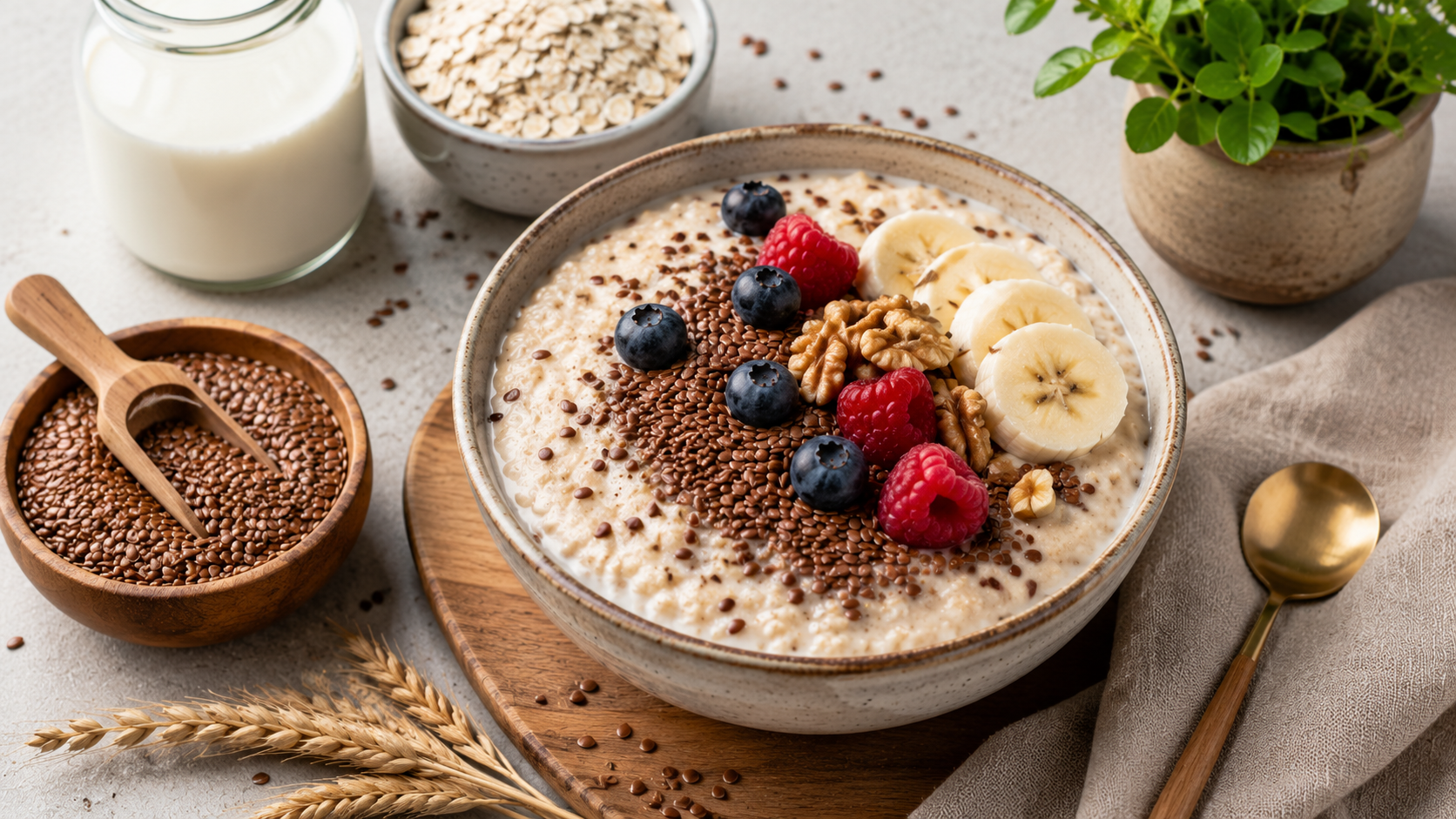
10 Reasons to Include Flax Seeds in Oatmeal
If you are someone who starts their morning with a warm bowl of oatmeal, you are already making a smart choice for your health. But what if you could make that bowl even more powerful with just one simple addition? Enter flax seeds — tiny, nutty, golden or brown seeds that pack an extraordinary nutritional punch. Adding flax seeds to oatmeal is one of the easiest upgrades you can make to your breakfast routine. Whether you are trying to lose weight, improve digestion, or simply eat cleaner, this combination delivers on every front. Here are 10 compelling reasons why flax seeds in oatmeal deserve a permanent spot on your morning table.
1. A Powerhouse Combination of Dietary Fibre
Both oatmeal and flax seeds are individually rich in dietary fibre, so combining them creates a breakfast that is extraordinarily gut-friendly. Oatmeal contains beta-glucan, a soluble fibre known for supporting heart health and digestion. Flax seeds, on the other hand, provide both soluble and insoluble fibre. Together, flax seeds in oatmeal help regulate bowel movements, prevent constipation, and keep your digestive system running smoothly throughout the day.
2. Exceptional Source of Plant-Based Omega-3 Fatty Acids
One of the most celebrated benefits of flax seeds is their high content of alpha-linolenic acid (ALA), a plant-based omega-3 fatty acid. Most Indian diets tend to be low in omega-3s, making flax seeds an important addition to daily meals. When you stir flax seeds into your oatmeal, you are giving your body a dose of healthy fats that support brain function, reduce inflammation, and promote cardiovascular health — all before you even step out of the house.
3. Helps in Weight Management
If managing your weight is a priority, flax seeds oatmeal is your best breakfast ally. The combination of fibre, protein, and healthy fats in flax seeds helps increase satiety, meaning you feel fuller for longer. Oatmeal itself is already known for keeping hunger at bay, and when you add flax seeds, you amplify that effect. This reduces the urge to snack between meals, helping you manage your calorie intake more effortlessly throughout the day.
4. Supports Heart Health
Both flax seeds and oatmeal have independent reputations as heart-healthy foods. Oatmeal's beta-glucan fibre is clinically known to reduce LDL (bad) cholesterol levels. Flax seeds contribute lignans and omega-3 fatty acids that help manage blood pressure and reduce arterial inflammation. Together, flax seeds in oatmeal form a heart-protective breakfast that is particularly beneficial for Indians, given the country's rising rates of cardiovascular disease.
5. Rich in Lignans for Hormonal Balance
Flax seeds are one of the richest natural sources of lignans — plant compounds that have antioxidant properties and act as phytoestrogens. For women especially, consuming flax seeds regularly can help with hormonal balance, particularly during perimenopause and menopause. Adding flax seeds to your daily oatmeal bowl is a natural, food-first approach to supporting hormonal health without any complicated supplements or powders.
6. Stabilises Blood Sugar Levels
Managing blood sugar spikes is important for everyone, especially for those with diabetes or prediabetes. The soluble fibre in both oatmeal and flax seeds slows down the absorption of sugar into the bloodstream, preventing sharp glucose spikes after meals. Studies suggest that ground flax seeds may also improve insulin sensitivity over time. Making flax seeds oatmeal a regular breakfast habit can be a simple yet effective dietary strategy for better blood sugar control.
7. Provides a Protein Boost
While oatmeal contains a decent amount of protein for a grain, flax seeds bring additional plant-based protein to the table. This makes flax seeds in oatmeal a more complete and balanced meal, particularly for vegetarians and vegans who need to be mindful of their daily protein intake. The amino acids in flax seeds complement those in oatmeal, contributing to muscle repair, immune function, and overall cellular health.
8. Loaded with Essential Vitamins and Minerals
Flax seeds are surprisingly rich in essential micronutrients, including:
- Magnesium — supports nerve and muscle function
- Phosphorus — important for bone health
- Thiamine (Vitamin B1) — crucial for energy metabolism
- Manganese — supports enzyme function and antioxidant defence
- Copper — essential for iron absorption and connective tissue health
When these nutrients combine with the iron, zinc, and B vitamins found in oatmeal, your breakfast bowl becomes a genuinely multi-dimensional source of daily nutrition. Starting your day with flax seeds oatmeal means you are ticking off several micronutrient requirements in a single meal.
9. Easy to Use and Virtually Tasteless
One of the most practical reasons to add flax seeds to oatmeal is how effortlessly they blend in. Ground flax seeds in particular dissolve almost seamlessly into your bowl, adding a very mild, nutty flavour that most people barely notice. You do not need to overhaul your recipe or change the taste of your favourite oatmeal preparation. Whether you enjoy your oatmeal with banana and honey, with milk and cardamom, or with fruits and nuts — flax seeds fit right in without disrupting the experience.
Quick Tip: Ground vs Whole Flax Seeds
For maximum nutrient absorption, always use ground flax seeds in your oatmeal. Whole flax seeds tend to pass through the digestive system without being fully broken down, which means you miss out on many of their benefits. You can grind them fresh at home or buy pre-ground flax seed powder for added convenience.
10. Supports Skin and Hair Health
Beauty truly starts from within, and flax seeds are proof of that. The omega-3 fatty acids, lignans, and antioxidants in flax seeds nourish skin cells from the inside out, helping reduce dryness, inflammation, and premature ageing. Regular consumption of flax seeds is also linked to stronger, shinier hair and reduced hair fall. Adding flax seeds to your oatmeal every morning is one of the simplest natural beauty habits you can adopt — no expensive serums required.
How Much Flax Seeds Should You Add to Oatmeal?
A recommended serving of flax seeds is typically 1 to 2 tablespoons per day. This amount is safe, effective, and easy to incorporate into a single bowl of oatmeal. Starting with one tablespoon and gradually increasing is a good approach, especially if your digestive system is new to high-fibre foods. Always pair your flax seeds oatmeal with a glass of water to support digestion.
Final Thoughts
The beauty of flax seeds in oatmeal lies in its simplicity. Two wholesome, natural ingredients come together to create a breakfast that supports your heart, gut, hormones, weight, skin, and energy levels all at once. Whether you are a fitness enthusiast, a busy professional, a homemaker, or a senior looking to eat better — this combination adapts to every lifestyle and every palate. Make flax seeds oatmeal your everyday morning ritual, and let the small habit create big, lasting changes in your health.