Why Are They Essential? Flax Seeds for Blood Sugar Control
By Nutriwow Team · 13 June 2026
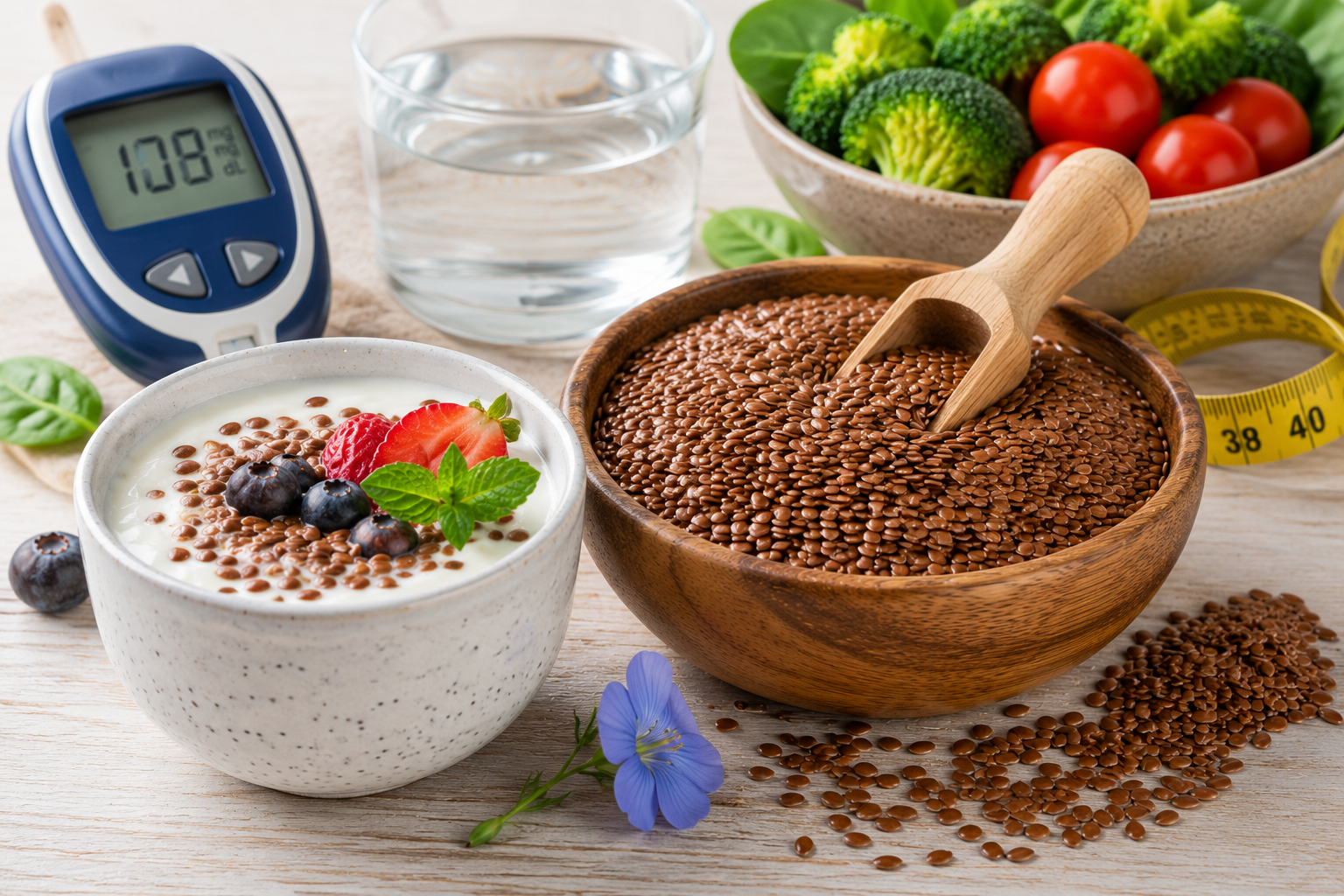
Why Are They Essential? Flax Seeds for Blood Sugar Control
Managing blood sugar levels is one of the most pressing health concerns for millions of Indians today. With the rising prevalence of type 2 diabetes and pre-diabetes across the country, people are increasingly turning to natural, food-based solutions to support their metabolic health. Among the many superfoods gaining attention, flax seeds for blood sugar control have emerged as a scientifically backed, affordable, and easy-to-incorporate option in the Indian diet. But what exactly makes these tiny seeds so powerful? Let's explore the essential role flax seeds play in keeping your blood sugar in check.
What Are Flax Seeds and Why Are They Getting Attention?
Flax seeds, known as alsi in Hindi, are small, brown or golden seeds derived from the flax plant (Linum usitatissimum). They have been used in Indian households for centuries, both as a food ingredient and in traditional medicine. In recent years, modern nutritional science has validated many of the health claims surrounding these seeds, particularly their role in blood sugar management.
Rich in dietary fibre, omega-3 fatty acids, and plant-based lignans, flax seeds offer a unique combination of nutrients that work synergistically to support better glucose metabolism. For someone living with diabetes, pre-diabetes, or even those simply trying to avoid blood sugar spikes after meals, incorporating flax seeds into the daily diet can make a meaningful difference.
The Science Behind Flax Seeds for Blood Sugar Control
1. High Soluble Fibre Content Slows Sugar Absorption
One of the most significant reasons flax seeds are essential for blood sugar control is their exceptionally high dietary fibre content. A single tablespoon of ground flax seeds contains approximately 2 to 3 grams of fibre, a good portion of which is soluble fibre. This soluble fibre forms a gel-like substance in the digestive tract when it comes in contact with water.
This gel effectively slows down the digestion and absorption of carbohydrates. When carbohydrates are digested more slowly, glucose enters the bloodstream at a gradual pace rather than all at once. This results in a lower glycaemic response, meaning fewer sharp spikes in blood sugar levels after eating. For people managing diabetes, this slower absorption is crucial for maintaining stable glucose readings throughout the day.
2. Lignans Help Improve Insulin Sensitivity
Flax seeds are the richest known dietary source of lignans, a type of plant compound with antioxidant and phytoestrogenic properties. Studies have shown that secoisolariciresinol diglucoside (SDG), the primary lignan found in flax seeds, may help improve insulin sensitivity at the cellular level.
When cells become more sensitive to insulin, the pancreas does not need to produce as much of the hormone to move glucose from the blood into cells. This improved insulin sensitivity is a key factor in reducing the risk of type 2 diabetes and managing existing cases more effectively. Regular consumption of flax seeds has been associated with lower fasting blood glucose levels, making them an essential tool in any blood sugar management plan.
3. Omega-3 Fatty Acids Reduce Inflammation
Chronic low-grade inflammation is closely linked to insulin resistance and poor blood sugar regulation. Flax seeds are an outstanding plant-based source of alpha-linolenic acid (ALA), a type of omega-3 fatty acid. ALA has well-documented anti-inflammatory properties that can help reduce the systemic inflammation that often underlies metabolic dysfunction.
By reducing inflammation in key tissues such as the liver, muscles, and fat cells, omega-3 fatty acids in flax seeds help these tissues respond more effectively to insulin. The result is better blood sugar control and a reduced risk of diabetes-related complications over time.
4. Low Glycaemic Index Supports Stable Blood Sugar
Flax seeds themselves have a very low glycaemic index (GI), which means they do not cause a significant rise in blood sugar when consumed. Adding ground flax seeds to higher-GI foods like rice, wheat-based rotis, or breakfast porridges can effectively lower the overall glycaemic load of a meal. This makes them incredibly versatile and practical for everyday use in the Indian kitchen.
Research and Evidence Supporting Flax Seeds for Blood Sugar Control
Multiple clinical studies have examined the impact of flax seed supplementation on blood glucose levels. A study published in the Journal of Dietary Supplements found that participants who consumed 10 grams of flax seed powder daily for 30 days experienced significant reductions in fasting blood glucose and HbA1c levels compared to a control group. Another study involving patients with type 2 diabetes showed that those who added flax seeds to their diet over 12 weeks had measurably better insulin resistance markers.
These findings reinforce what many nutritionists and Ayurvedic practitioners in India have long suggested — that flax seeds for blood sugar control are not just a trend, but a genuinely effective dietary intervention backed by science.
How to Include Flax Seeds in Your Daily Indian Diet
The good news is that incorporating flax seeds into your daily routine is simple and adaptable to Indian food habits. Here are some practical and delicious ways to do so:
- Add to your morning atta: Mix one to two tablespoons of ground flax seeds into your daily wheat flour before making rotis or parathas. This is one of the easiest ways to boost fibre and nutrient intake without altering the taste significantly.
- Blend into smoothies or buttermilk: A tablespoon of ground flax seed powder can be stirred into your morning smoothie, chaas (buttermilk), or lassi for a fibre and omega-3 boost.
- Sprinkle over dal and sabzi: Roasted and ground flax seeds can be added as a topping to dal, vegetable stir-fries, or salads for added nutrition.
- Add to idli or dosa batter: A spoonful of flax seed powder mixed into idli or dosa batter is a clever way to introduce these seeds into South Indian meals.
- Mix into yoghurt or curd: Stir ground flax seeds into your daily serving of dahi (curd) with a pinch of cumin powder for a tasty and blood-sugar-friendly snack.
- Choose flax seed-based healthy snacks: Look for premium healthy snacks made with flax seeds, like those offered by Nutriwow, that make it easy to snack smart without compromising on taste.
Important Tips for Maximum Blood Sugar Benefits
To get the most out of flax seeds for blood sugar control, keep the following in mind:
- Always consume ground or milled flax seeds: Whole flax seeds often pass through the digestive system without being fully absorbed. Grinding them ensures that the nutrients, including fibre and lignans, are properly utilised by the body.
- Store correctly: Ground flax seeds can turn rancid quickly. Store them in an airtight container in the refrigerator and use within two to three weeks of grinding.
- Start gradually: If you are new to flax seeds, start with a teaspoon per day and gradually increase to one or two tablespoons to allow your digestive system to adjust.
- Stay hydrated: Since flax seeds are high in fibre, drinking enough water throughout the day ensures that the fibre functions optimally in your gut.
- Consult your doctor: If you are on diabetes medication, discuss with your healthcare provider before making significant dietary changes, as flax seeds may lower blood sugar further.
Why Flax Seeds Are an Essential Addition to Your Diet
In a country where diabetes affects over 100 million adults and millions more are at risk, finding accessible, natural, and effective dietary solutions is more important than ever. Flax seeds for blood sugar control offer a multifaceted approach — combining fibre, lignans, and omega-3 fatty acids to slow glucose absorption, improve insulin sensitivity, and reduce inflammation all at once.
They are affordable, widely available across India, and incredibly easy to incorporate into traditional Indian recipes. Whether you are managing a diabetes diagnosis, trying to prevent blood sugar issues, or simply looking to improve your overall metabolic health, flax seeds deserve a permanent place in your daily diet.
Making small but consistent dietary changes, such as adding ground flax seeds to your meals each day, can have a profound long-term impact on your blood sugar levels and overall well-being. Embrace the power of these tiny seeds and take a meaningful step toward better health — naturally and deliciously.