The Power of Cholesterol Reduction with Flax Seeds
By Nutriwow Team · 13 June 2026
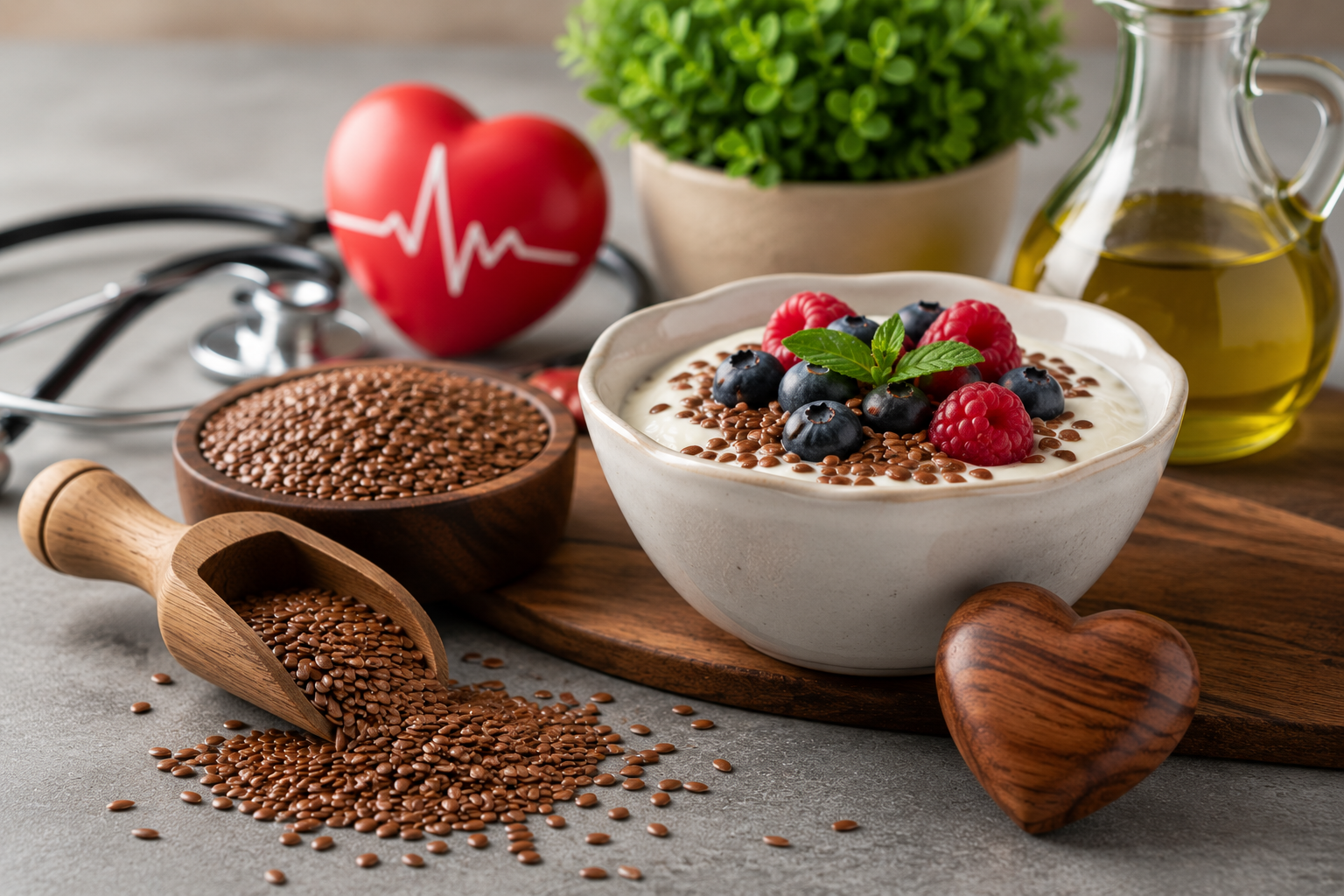
The Power of Cholesterol Reduction with Flax Seeds
In today's fast-paced world, rising cholesterol levels have become a silent health crisis affecting millions of Indians. From sedentary lifestyles to increasingly processed diets, the factors contributing to high cholesterol are everywhere. But nature, as always, offers powerful remedies — and one of the most remarkable is the humble flax seed. Small in size but mighty in impact, flax seeds have earned their place as a superfood, particularly when it comes to cholesterol reduction with flax seeds. Let's explore the science, the benefits, and the practical ways to harness this golden seed's power.
Understanding Cholesterol: The Good, The Bad, and The Dangerous
Before diving into how flax seeds help, it's important to understand what cholesterol actually is. Cholesterol is a fatty substance that travels through the bloodstream. There are two primary types:
- LDL (Low-Density Lipoprotein): Often called "bad" cholesterol, high levels of LDL can lead to plaque buildup in the arteries, increasing the risk of heart disease and stroke.
- HDL (High-Density Lipoprotein): Known as "good" cholesterol, HDL helps remove LDL from the bloodstream and carries it to the liver for elimination.
When LDL levels are too high and HDL levels are too low, the risk of cardiovascular complications rises significantly. This is exactly where cholesterol reduction with flax seeds becomes a game-changer.
What Makes Flax Seeds So Powerful?
Flax seeds (known as alsi in Hindi) have been used in Indian households for centuries, both as food and medicine. Their cholesterol-lowering ability comes from a unique combination of three powerful components:
1. Omega-3 Fatty Acids (ALA)
Flax seeds are one of the richest plant-based sources of Alpha-Linolenic Acid (ALA), a type of omega-3 fatty acid. Omega-3s are well-documented for their ability to reduce inflammation, lower triglycerides, and improve the overall lipid profile. For vegetarians and vegans in India who may not consume fish, flax seeds are an essential source of these heart-healthy fats.
2. Soluble Fiber
Flax seeds are packed with both soluble and insoluble dietary fiber. The soluble fiber, in particular, plays a direct role in cholesterol reduction with flax seeds. Soluble fiber binds to bile acids in the digestive tract. Since bile acids are made from cholesterol, the body is then forced to use more cholesterol from the bloodstream to produce new bile acids — effectively lowering overall cholesterol levels. This process is one of the most natural and effective ways to manage cholesterol through diet.
3. Lignans
Flax seeds are the world's richest source of lignans — plant compounds with powerful antioxidant and estrogenic properties. Lignans help reduce oxidative stress, which plays a significant role in the oxidation of LDL cholesterol. Oxidized LDL is particularly dangerous as it is more likely to deposit as plaque in arterial walls. By neutralizing free radicals, lignans prevent LDL oxidation and further protect cardiovascular health.
What Does the Research Say?
The scientific evidence supporting cholesterol reduction with flax seeds is robust and growing. Multiple clinical studies have demonstrated flax seeds' positive impact on lipid profiles:
- A study published in the American Journal of Clinical Nutrition found that daily consumption of flax seeds significantly reduced total cholesterol and LDL cholesterol levels in participants.
- Research involving postmenopausal women showed that consuming 38 grams of flax seeds daily for three months resulted in a notable decrease in LDL cholesterol levels.
- A meta-analysis of multiple trials confirmed that whole flax seed supplementation was particularly effective in reducing total cholesterol and LDL levels, especially in individuals who were already showing signs of elevated cholesterol.
These findings highlight a consistent pattern: regular, sustained consumption of flax seeds delivers measurable improvements in cholesterol management.
How Much Flax Seed Should You Consume?
Most nutrition experts and research studies recommend consuming 1 to 2 tablespoons (approximately 10–20 grams) of ground flax seeds per day for optimal cholesterol-lowering benefits. It's important to note that ground or milled flax seeds are far more effective than whole flax seeds because the body can absorb the nutrients more efficiently when the hard outer shell is broken down.
Whole flax seeds often pass through the digestive system undigested, meaning you miss out on their cholesterol-reducing properties. Always opt for freshly ground flax seeds or certified milled flax seed products for the best results.
Easy Ways to Include Flax Seeds in Your Indian Diet
One of the best things about flax seeds is their versatility. Incorporating them into traditional Indian meals is surprisingly simple:
- Add to Roti Dough: Mix one to two tablespoons of ground flax seeds into your wheat flour before making chapati or paratha. The taste is barely noticeable, and the nutritional boost is tremendous.
- Blend into Smoothies and Lassi: Ground flax seeds mix seamlessly into your morning smoothie or a glass of lassi, adding fiber and omega-3s to your breakfast.
- Sprinkle on Dal or Sabzi: A spoonful of roasted and ground flax seeds sprinkled over your dal or vegetable dish adds a subtle nutty flavor and cholesterol-fighting power.
- Mix into Curd (Dahi): Stir ground flax seeds into your daily curd bowl for a heart-healthy combination of probiotics and cholesterol-reducing nutrients.
- Add to Upma or Porridge: A tablespoon of flax seed powder stirred into your morning upma or oatmeal porridge is an easy and effective addition.
- Healthy Snack Bars and Chikki: Flax seeds can be incorporated into homemade energy bars, laddoos, or chikki for a heart-healthy Indian snack that supports cholesterol management.
Precautions and Tips for Best Results
While flax seeds are incredibly beneficial, a few precautions ensure you enjoy their benefits safely:
- Stay Hydrated: Because of their high fiber content, flax seeds absorb water in the digestive tract. Drink plenty of water throughout the day to prevent any digestive discomfort.
- Start Slowly: If you are new to flax seeds, start with one teaspoon per day and gradually increase to avoid bloating or gas.
- Store Properly: Ground flax seeds are prone to oxidation. Store them in an airtight container in the refrigerator and use within a week for freshness.
- Consult Your Doctor: If you are on cholesterol-lowering medications, always consult your healthcare provider before making significant dietary changes.
Flax Seeds as Part of a Heart-Healthy Lifestyle
It's important to understand that cholesterol reduction with flax seeds works best when combined with an overall heart-healthy lifestyle. Regular physical activity, limiting deep-fried and processed foods, reducing refined sugar intake, and managing stress all contribute to healthier cholesterol levels. Flax seeds are a powerful ally in this journey — not a standalone cure, but a deeply effective dietary tool.
Final Thoughts
The power of cholesterol reduction with flax seeds lies in the perfect synergy of omega-3 fatty acids, soluble fiber, and lignans working together to improve your lipid profile naturally. For Indian consumers looking for accessible, affordable, and culturally compatible ways to manage their heart health, flax seeds are truly a gift from nature. Whether added to your roti, dal, smoothie, or snacks, this tiny seed delivers extraordinary cardiovascular benefits — one tablespoon at a time. Make flax seeds a daily habit, and your heart will thank you for it.