How to Balanced Diet to Muscle Growth
By Nutriwow Team · 6 June 2026
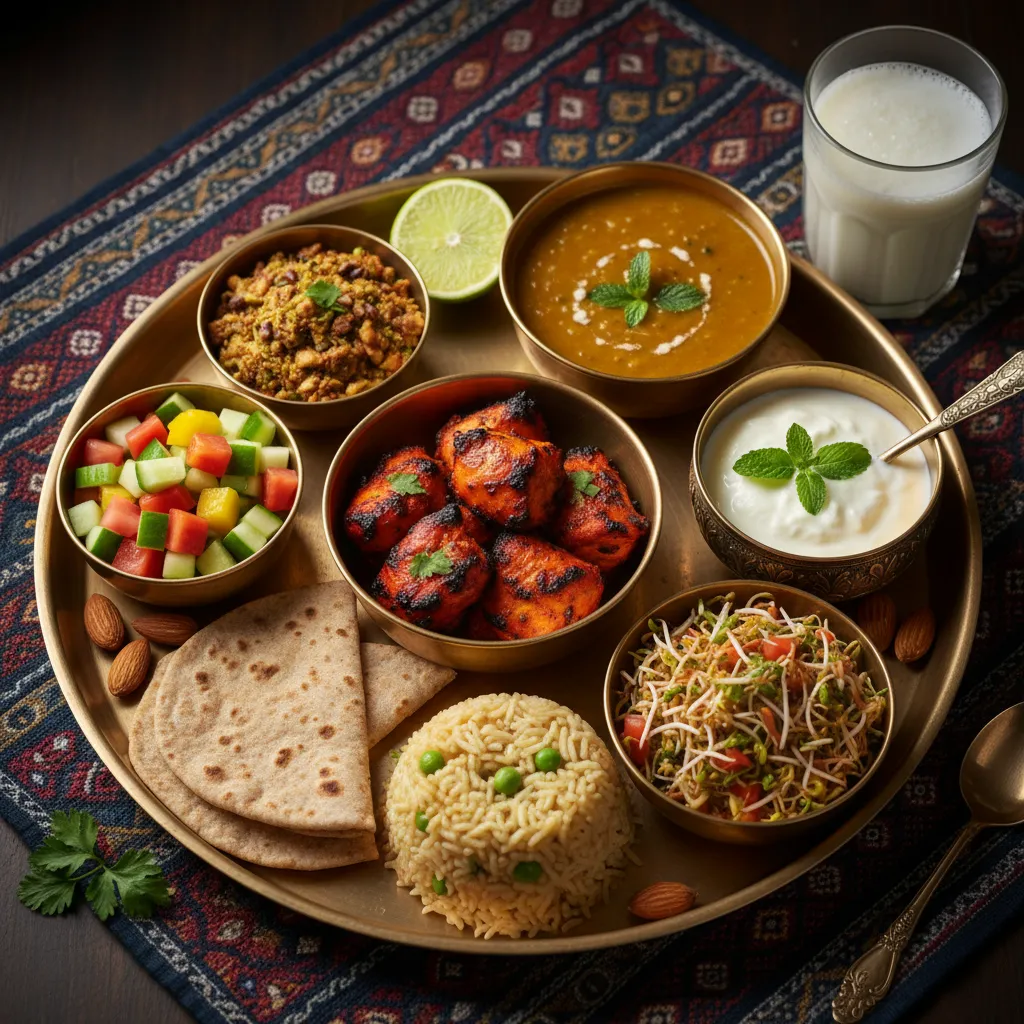
How to Balanced Diet to Muscle Growth
Achieving significant muscle growth, or hypertrophy, isn't solely about relentless hours in the gym. While consistent and progressive resistance training is undeniably crucial, its effectiveness is amplified exponentially by a well-structured and balanced diet. For anyone in India aspiring to build a stronger, more muscular physique, understanding the intricate relationship between nutrition and muscle synthesis is paramount. This article will delve deep into how a balanced diet fuels muscle growth, providing actionable insights and balanced diet tips tailored for the Indian context.
The Foundation: Why Diet is Non-Negotiable for Muscle Growth
Think of your muscles as a construction project. The gym provides the blueprint and the labour, but your diet provides the raw materials. Without the right building blocks, repair, and energy, your muscles simply cannot grow. When you lift weights, you create microscopic tears in your muscle fibres. It's during the recovery period, fueled by proper nutrition, that these fibres repair and rebuild, becoming thicker and stronger than before. This process requires a consistent supply of macronutrients (proteins, carbohydrates, fats) and micronutrients (vitamins, minerals). Neglecting any of these components will hinder your progress, making your gym efforts less fruitful.
Macronutrients: The Pillars of Muscle Building
Understanding the role of each macronutrient is the first step towards crafting a muscle-building diet.
1. Protein: The Building Block of Muscle
Protein is, without a doubt, the most critical macronutrient for muscle growth. It provides the amino acids, which are the literal building blocks your body uses to repair damaged muscle tissue and synthesize new muscle proteins.
* **How much?** For active individuals aiming for muscle growth, a general recommendation is 1.6 to 2.2 grams of protein per kilogram of body weight per day. For example, a 70kg individual would aim for 112-154 grams of protein daily.
* **Sources for Indians:**
* **Vegetarian:** Paneer, tofu, tempeh, lentils (dal), chickpeas (chana), kidney beans (rajma), quinoa, Greek yogurt, milk, sprouts, nuts, seeds (chia, flax, pumpkin).
* **Non-Vegetarian:** Chicken breast, fish (salmon, tuna, mackerel), eggs, lean cuts of mutton.
* **Timing:** Distribute your protein intake throughout the day, aiming for 20-40 grams per meal. This ensures a steady supply of amino acids for muscle protein synthesis. Consider a protein source with every major meal and snack.
2. Carbohydrates: Fuel for Performance and Recovery
Often misunderstood, carbohydrates are vital for muscle growth. They are your body's primary energy source, especially during intense workouts. Without adequate carbs, your body might start breaking down muscle tissue for energy, counteracting your muscle-building efforts.
* **How much?** Carbohydrate intake will vary based on your activity level and body type, but generally, 3-5 grams per kilogram of body weight is a good starting point for muscle growth.
* **Sources for Indians:**
* **Complex Carbs:** Brown rice, whole wheat roti, oats, sweet potatoes, whole grains (bajra, jowar, ragi), lentils, fruits, vegetables. These provide sustained energy and fibre.
* **Simple Carbs (post-workout):** Fruits like bananas or mangoes can be beneficial immediately after a workout to replenish glycogen stores quickly.
* **Timing:** Prioritize complex carbohydrates before workouts for sustained energy and after workouts to replenish glycogen stores.
3. Healthy Fats: Hormonal Balance and Overall Health
Fats play a crucial role in hormone production, including testosterone, which is essential for muscle growth. They also aid in nutrient absorption and provide a concentrated source of energy.
* **How much?** Aim for 20-30% of your total daily calories from healthy fats.
* **Sources for Indians:** Ghee, mustard oil, coconut oil (in moderation), avocado, nuts (almonds, walnuts), seeds (chia, flax), fatty fish (salmon), olive oil.
* **Importance:** Don't fear healthy fats; they are essential for overall health and optimal hormonal function, both of which indirectly support muscle growth.
Micronutrients: The Unsung Heroes
While macronutrients provide the bulk of energy and building materials, micronutrients (vitamins and minerals) are the catalysts for countless bodily functions, including energy production, muscle contraction, and recovery.
* **Key Vitamins:** Vitamin D (bone health, testosterone production), B Vitamins (energy metabolism), Vitamin C (collagen synthesis, antioxidant).
* **Key Minerals:** Zinc (testosterone, immune function), Magnesium (muscle function, sleep), Iron (oxygen transport), Calcium (bone health, muscle contraction).
* **Sources:** A diverse intake of fruits, vegetables, whole grains, nuts, and seeds will generally provide a good spectrum of micronutrients. Don't rely solely on supplements; whole foods are always best.
Hydration: The Often-Overlooked Component
Water constitutes a significant portion of your muscle tissue. Dehydration can severely impair performance, reduce strength, and hinder recovery.
* **How much?** Aim for 3-4 litres of water daily, increasing intake during workouts and hot weather.
* **Benefits:** Supports nutrient transport, lubricates joints, regulates body temperature, and aids in metabolic processes crucial for muscle growth.
Crafting Your Balanced Diet for Muscle Growth: Practical Tips for Indians
Now that we understand the components, let's put it into practice with balanced diet tips relevant to the Indian palate and lifestyle.
1. Prioritise Whole, Unprocessed Foods
Focus on foods in their most natural state. This means more home-cooked meals using fresh ingredients and less reliance on packaged, processed foods high in sugar, unhealthy fats, and sodium.
* **Example:** Instead of a packaged breakfast cereal, opt for oats with milk and fruits.
2. Smart Snacking with Nutriwow
Snacks are an excellent opportunity to meet your protein and calorie targets. Nutriwow offers a range of healthy, convenient options that fit perfectly into a muscle-building diet.
* **Nutriwow Roasted Makhana:** A light, crunchy snack rich in nutrients, perfect for satisfying cravings without excess calories.
* **Nutriwow Seed Mixes:** Packed with healthy fats, protein, and fibre from pumpkin, sunflower, and flax seeds, making them an ideal pre or post-workout snack.
* **Nutriwow Nut Mixes:** A concentrated source of energy, healthy fats, and protein from almonds, cashews, and walnuts. Great for sustained energy.
3. Embrace Indian Superfoods
Our traditional Indian diet is rich in ingredients that are fantastic for muscle growth.
* **Paneer:** A versatile protein source.
* **Lentils & Pulses (Dal, Rajma, Chana):** Excellent plant-based protein and complex carb sources.
* **Ghee:** A healthy fat that aids in nutrient absorption.
* **Spices:** Turmeric, ginger, and garlic have anti-inflammatory properties that aid recovery.
* **Millets (Bajra, Jowar, Ragi):** Nutrient-dense complex carbohydrates.
4. Don't Skip Meals
Consistent nutrient intake is key. Aim for 3 main meals and 2-3 healthy snacks throughout the day to keep your body in an anabolic (muscle-building) state.
5. Plan Your Meals
Meal prepping can be a game-changer. Dedicate some time to plan your meals and snacks for the week. This prevents impulsive, unhealthy food choices.
6. Post-Workout Nutrition is Crucial
Within 30-60 minutes after your workout, consume a meal or snack rich in protein and carbohydrates. This "anabolic window" is when your muscles are most receptive to nutrients for repair and growth.
* **Example:** A Nutriwow protein bar (if available), a bowl of dal khichdi, a paneer sandwich, or a protein shake with a banana.
7. Listen to Your Body
While guidelines are helpful, individual needs vary. Pay attention to how your body responds to different foods and adjust your intake accordingly. If you're feeling sluggish, you might need more carbs. If you're not recovering well, increase protein.
The Role of Calories: A Slight Surplus is Key
To build muscle, you generally need to be in a slight caloric surplus – meaning you consume slightly more calories than you burn. This provides the extra energy your body needs to fuel the muscle-building process. However, this surplus should be controlled (around 250-500 extra calories per day) to minimise excessive fat gain. Tracking your food intake for a few weeks can help you understand your current caloric consumption and make informed adjustments.
Consistency and Patience
Muscle growth is a marathon, not a sprint. Consistency in both your training and your diet is paramount. You won't see results overnight, but with dedication to a balanced, nutrient-rich diet, combined with effective training, you will steadily progress towards your muscle growth goals. Remember, your plate is just as important as your weights when it comes to building a stronger you.
By integrating these balanced diet tips and focusing on whole, nutritious foods – complemented by smart snacking choices from brands like Nutriwow – you can effectively fuel your body for optimal muscle growth and achieve the physique you desire.