100-Calorie Snacks vs. Traditional Junk Food: A Nutritional Face-Off
By Dr. Anjali Sharma (Clinical Nutritionist) · 25 June 2026
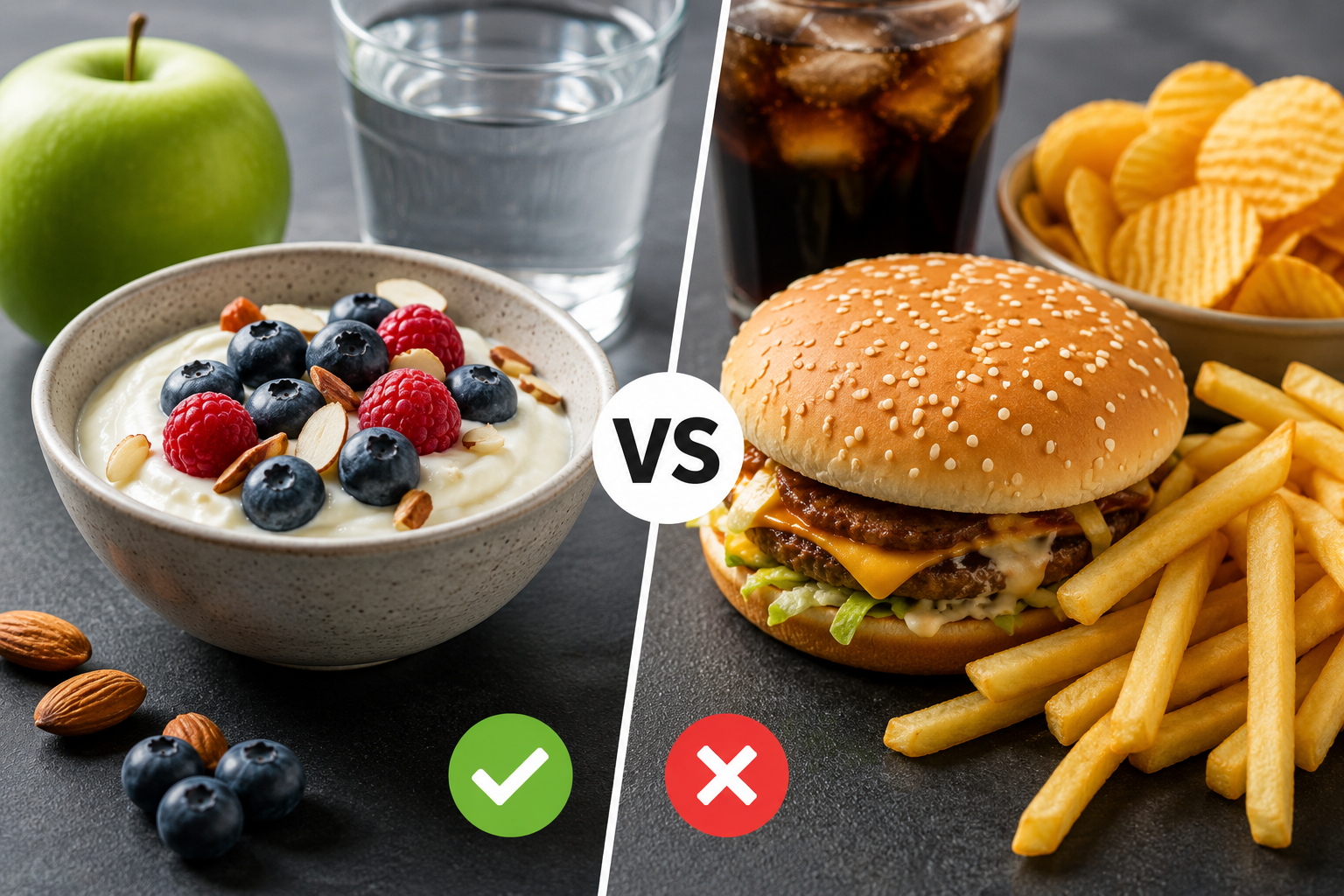
100-Calorie Snacks vs. Traditional Junk Food: A Nutritional Face-Off
In today's fast-paced world, snacking has become an essential part of our daily routine. Whether it is a mid-morning hunger pang or an evening craving, we all reach for something to munch on. But here is the real question: are you choosing wisely? With the rise of healthy snacks and portion-controlled options flooding the Indian market, the debate between 100-calorie Snacks and traditional junk food has never been more relevant. Let us dive deep into this nutritional face-off and help you make smarter choices for your wellness journey.
Understanding the Calorie Game
Calories are the foundation of any diet conversation. When we talk about 100 calories, we are referring to a snacking benchmark that has gained massive popularity among health-conscious individuals. A 100-calorie snack is designed to satisfy hunger without derailing your daily calorie budget. Traditional junk food, on the other hand, often packs a caloric punch that goes far beyond what you expect.
Consider this: a standard packet of popular Indian namkeen or chips can easily contain 300 to 500 calories per serving. A single cream-filled biscuit pack crosses 200 calories before you even realise you have finished it. When you compare this with a thoughtfully crafted low calorie snack, the difference is staggering — not just in numbers but in overall nutrition quality.
What Traditional Junk Food Really Contains
Before we celebrate the 100-calorie snack, it is important to understand what makes traditional junk food so problematic from a nutritional standpoint. Most packaged junk foods available in India are loaded with:
- Refined carbohydrates: These spike blood sugar levels rapidly and leave you hungry again within minutes.
- Unhealthy trans fats and saturated fats: Commonly found in deep-fried snacks, these contribute to increased cholesterol and heart-related risks.
- Excessive sodium: Many namkeens, chips, and crackers contain alarmingly high levels of salt, which can lead to water retention and blood pressure issues over time.
- Empty calories: These are calories that provide energy but virtually zero micronutrients — no vitamins, minerals, or fibre to support your body's functions.
- Artificial additives: Preservatives, artificial colours, and flavour enhancers that have little place in a healthy diet.
The result? You consume hundreds of calories, feel satisfied momentarily, and then experience a crash that sends you back to the snack shelf all over again. This cycle is one of the key reasons why traditional junk food sabotages weight loss goals.
The Rise of 100-Calorie Snacks: A Smarter Alternative
The concept of a 100-calorie snack is built on portion control and nutritional density. These snacks are curated to ensure that every single calorie you consume brings some value to your body. Brands like Nutriwow have been at the forefront of this movement in India, creating snacks that are not just calorie-controlled but also rich in protein, fibre, and essential nutrients.
What makes a 100-calorie snack genuinely different from simply eating less junk food? It comes down to the low calorie snack nutrition profile. A well-designed 100-calorie snack may include:
- High protein content: Protein keeps you fuller for longer and supports muscle health, making it ideal for those on a weight management plan.
- Dietary fibre: Helps in digestion, controls blood sugar spikes, and contributes to a sustained feeling of fullness.
- Natural ingredients: Whole grains, nuts, seeds, and dried fruits instead of artificial flavours and preservatives.
- Healthy fats: From sources like almonds, walnuts, and seeds, which support brain health and hormonal balance.
- Micronutrients: Vitamins and minerals that contribute to immunity, energy levels, and overall wellness.
Head-to-Head: The Nutritional Face-Off
Chips vs. 100-Calorie Makhana or Roasted Seeds
A 30-gram serving of regular salted chips contains approximately 160 calories, 10 grams of fat (much of it unhealthy), nearly 200mg of sodium, and almost no protein or fibre. Compare this to a Nutriwow 100-calorie portion of roasted makhana or seeds, which delivers the same satisfying crunch with a significantly better nutritional profile — including plant-based protein, dietary fibre, and essential minerals like magnesium and calcium.
Cream Biscuits vs. 100-Calorie Nut and Grain Bars
Two cream-filled biscuits clock in at around 150 to 200 calories, with refined sugar as the primary ingredient. A 100-calorie nut and grain bar, crafted with oats, honey, and mixed nuts, provides complex carbohydrates for sustained energy along with protein and healthy fats — making it a far superior choice for anyone pursuing weight loss or energy management.
Fried Namkeen vs. 100-Calorie Roasted Chickpeas or Puffed Quinoa
Traditional namkeen is deep-fried, high in sodium, and offers minimal nutritional benefit beyond instant taste gratification. A portion-controlled serving of roasted chickpeas or puffed quinoa at 100 calories delivers plant protein, fibre, and iron — nutrients that your body genuinely needs.
The Weight Loss Connection
One of the strongest arguments for switching to 100-calorie snacks lies in their impact on weight loss journeys. Snacking is often the undoing of many well-intentioned diets. When you replace high-calorie junk food with controlled, nutrient-dense options, you create a calorie deficit without feeling deprived. This is the sustainable path to weight loss that nutritionists and dietitians across India recommend.
Moreover, because quality 100-calorie snacks contain fibre and protein, they reduce overall appetite and prevent overeating at main meals. Nutriwow's range of healthy snacks is specifically designed keeping the Indian palate and lifestyle in mind — delivering familiar flavours without the nutritional baggage of traditional junk food.
Making the Right Choice for Your Wellness
The nutritional face-off between 100-calorie snacks and traditional junk food has a clear winner when it comes to long-term health and wellness. While junk food offers momentary pleasure, it comes at a significant cost — poor nutrition, energy crashes, weight gain, and increased health risks over time.
Switching to low calorie snack nutrition-focused options does not mean sacrificing taste or satisfaction. With brands like Nutriwow reimagining Indian snacking with clean ingredients and smart portion control, eating healthy has never been this delicious or convenient.
Final Thoughts
Your snack choices today build the health habits of tomorrow. Whether your goal is weight loss, better energy, improved digestion, or simply a healthier lifestyle, transitioning from traditional junk food to 100-calorie snacks is one of the easiest and most impactful changes you can make. Choose snacks that nourish your body, satisfy your cravings, and support your wellness goals — because with the right options available, there is no reason to compromise. With Nutriwow, every snack is a step in the right direction.